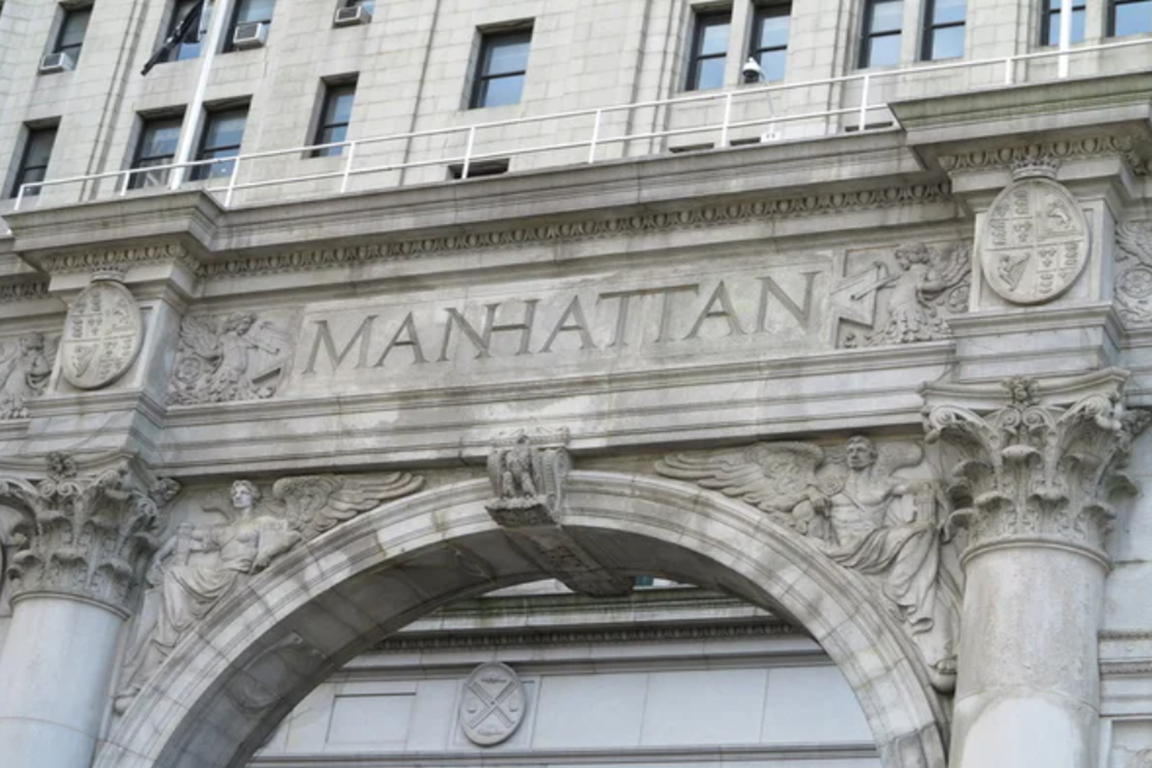
glenn hardy is a MANHATTAN DEFENSE LAWYER WHO can navigate through the new york city COURT SYSTEM
Mr. Hardy is a Manhattan defense lawyer with experience in the borough, which provides a critical advantage in all New York cases compared to a general citywide attorney.
While all five NYC borough courts operate under the same state laws and rules, Manhattan’s combination of massive volume, complex litigation, tourism, and constant high-stakes scrutiny makes it noticeably more complicated.
Manhattan courts have:
- The Highest Volume + Density of High-Profile and Complex Cases
- Extremely High Caseload and Congestion
- Greater Media, Political, and Public Scrutiny
- More Sophisticated Legal Issues and Discovery Demands
- More Layers of Court Parts and Specialized Handling
- Complicated Logistics for Defendants and Lawyers
When charges arise in Manhattan, Mr. Hardy’s specialized knowledge maximizes opportunities for reduced charges, dismissal, or favorable sentencing. Keep in mind that when searching for a defense lawyer, this experience makes borough mastery essential, not optional.
Finally, given that a Manhattan lawyer is ideal for cases in the borough, Mr. Hardy also has years of trial experience. Adding more reason to put your case in his hands.

A MANHATTAN EXPERIENCED DEFENSE LAWYER VS. A CITYWIDE ATTORNEY
As a client describes a Manhattan lawyer:
“Mr. Hardy is a criminal lawyer with years of experience in Manhattan. Location-specific skill is not a luxury. It is a must for strong results.”
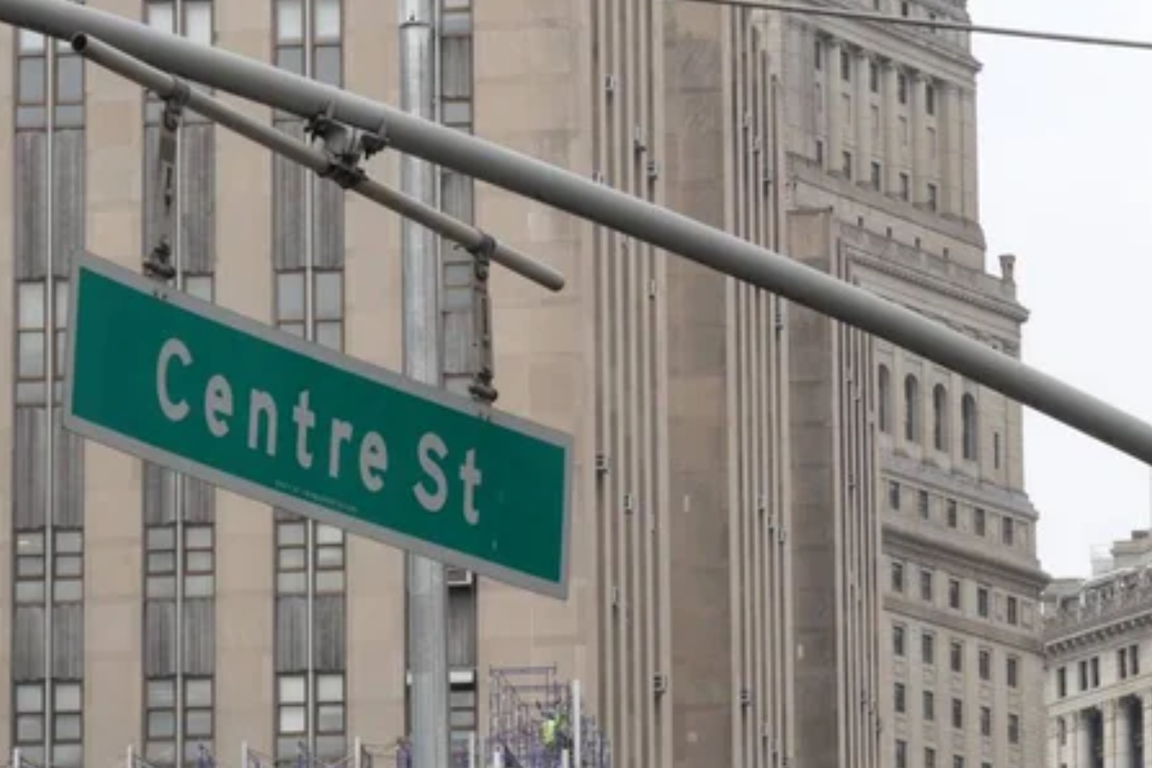
An attorney with familiarity with the Manhattan Criminal system, operating at 100 and 111 Centre Street, understands the Manhattan DA’s rigorous, presumption-of-guilt approach to charging, pleas, and bail, enabling precise strategies for evidence challenges, discovery, and negotiations that general NYC practitioners may miss. Also, as a Manhattan lawyer with a long history of strong relationships with judges and court personnel, Mr. Hardy brings credibility and knowledge favorable to bail hearings, suppression hearings, trials, and dispositions.
A New York attorney that also has Manhattan experience offers :
Familiarity with the Manhattan Criminal Court operations
FAMILIARITY
The Manhattan Criminal Court at 100 Centre Street operates differently from others in Brooklyn, Queens, etc. It has longer arraignment hours and special Central Booking rules. It also handles Desk Appearance Tickets and bail reform in its own way. These small differences matter a lot. They need real, hands-on experience.
An experienced Manhattan defense lawyer knows what to expect. He anticipates delays and moves quickly through the system. This helps him get better pretrial decisions for his clients.
In contrast, a citywide attorney handles cases all over the city, often wasting valuable time learning the rules of each borough. Mr. Hardy’s focused knowledge can make a big difference early in the case.
Insider’s insight into the Manhattan District Attorney’s office
UNDERSTANDING
Manhattan’s DA historically has adopted a more rigorous, presumption-of-guilt approach to charging, plea negotiations, and bail requests than other boroughs.
An experienced Manhattan defense lawyer understands current prosecutorial tendencies, discovery compliance strategies, and negotiation leverage points unique to this office. This specialized knowledge enables more effective challenges to evidence, better plea bargaining, and avoidance of pitfalls that a general NYC practitioner might overlook.
” Glenn is a Defense Lawyer with tremendous experience in Manhattan. He is a Manhattan lawyer with a strong history of not guilty results.“
Strong relationships with Manhattan judges and personnel
HISTORY
A Manhattan defense lawyer appears in the same court every day. He stands before the same judges again and again. Over time, this builds real rapport and credibility. He learns each judge’s sentencing patterns, courtroom habits, and ruling style. He uses these connections wisely. They help him win better bail rulings, suppression hearings, and case outcomes.
In contrast, citywide attorneys split their time across all five boroughs. They rarely see the same judges every day.
As a result, they cannot build the same level of trust and insight. This often limits their ability to influence decisions.
Daily presence in Manhattan makes a clear difference. A Manhattan lawyer clearly has advantages over lawyers with no experience in Manhattan. Mr. Hardy, however, offers both as a lawyer practicing all over the five boroughs in New York.
Tailored expertise in Manhattan’s Distinct case profile
STRATEGY
Manhattan sees a high number of white-collar, media-sensitive, domestic violence, and quality-of-life cases. This comes from its dense urban setting and strong economy.
First, these case types often repeat in the borough. As a result, an experienced Manhattan defense lawyer sharpens special strategies for them. For example, he learns the best ways to pick juries that fit local people. In addition, Mr. Hardy develops mitigation strategies that align with Manhattan trends.
Mr. Hardy has many years of focused experience in Manhattan. Consequently, he knows these local patterns inside and out. This kind of targeted knowledge often leads to stronger results for his clients.
“Having Mr. Hardy as my Manhattan lawyer in a Chelsea case was the right choice. He knew exactly how to handle my case moved quickly”
GUIDE DURING AN ARREST BY A MANHATTAN LAWYER
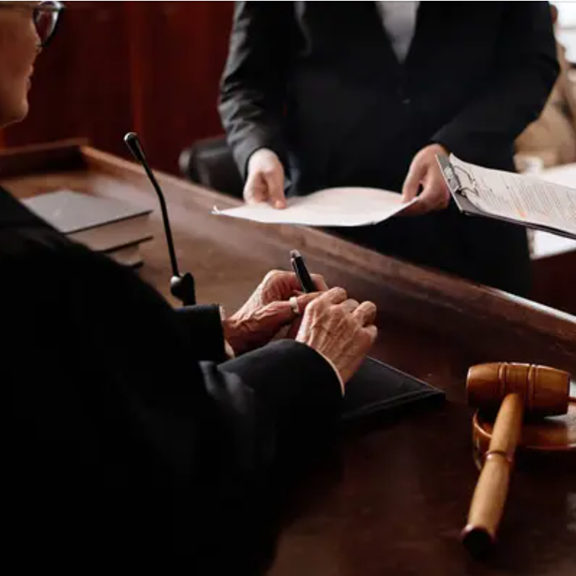
Defense lawyer Mr. Hardy explains that if you or someone you know gets arrested in Manhattan, it’s important to find an attorney immediately.
What to do, soon after an arrest
At present, two things can happen: an officer can give a DAT, or the individual will be taken to Central booking at 100 Centre Street.
Once the police take a person into custody, several things usually happen:
- First, the victim or witnesses may identify the person.
- The arrested person may also speak to the officers and make a statement.
- Next, the person will be searched.
- Law enforcement can take any illegal items or evidence they find. Evidence can include stolen goods, tools used in the crime, special clothing, or anything that links the person to the crime, the victim, or the crime scene.
- The arresting officer then brings all seized items to the NYPD Property Clerk’s Division for logging and storage.
- After that, the person is taken to the local precinct.
- The police fingerprint him. At the same time, the arresting officer completes the arrest report, the complaint report, and other required police paperwork.
- The earlier you can contact an attorney, the better. Have a friend or family member reach out for help immediately.
- For some minor crimes, the officer may give the person a Desk Appearance Ticket, or DAT.
- A DAT lets the person go home right away. However, he must come back on a later date for arraignment.
- If the person does not qualify for a DAT, he will not go home. Instead, the officers will take him from the precinct to Central Booking at 100 Centre Street for more processing.
- Meanwhile, an Assistant District Attorney talks with the arresting police officer about the case.
For more information, it might also be helpful to read: “Arrested in New York City last night, what you need to know”.
FAILING TO REACH A LAWYER SOON CAN HARM YOUR CASE EVEN WITH A DAT
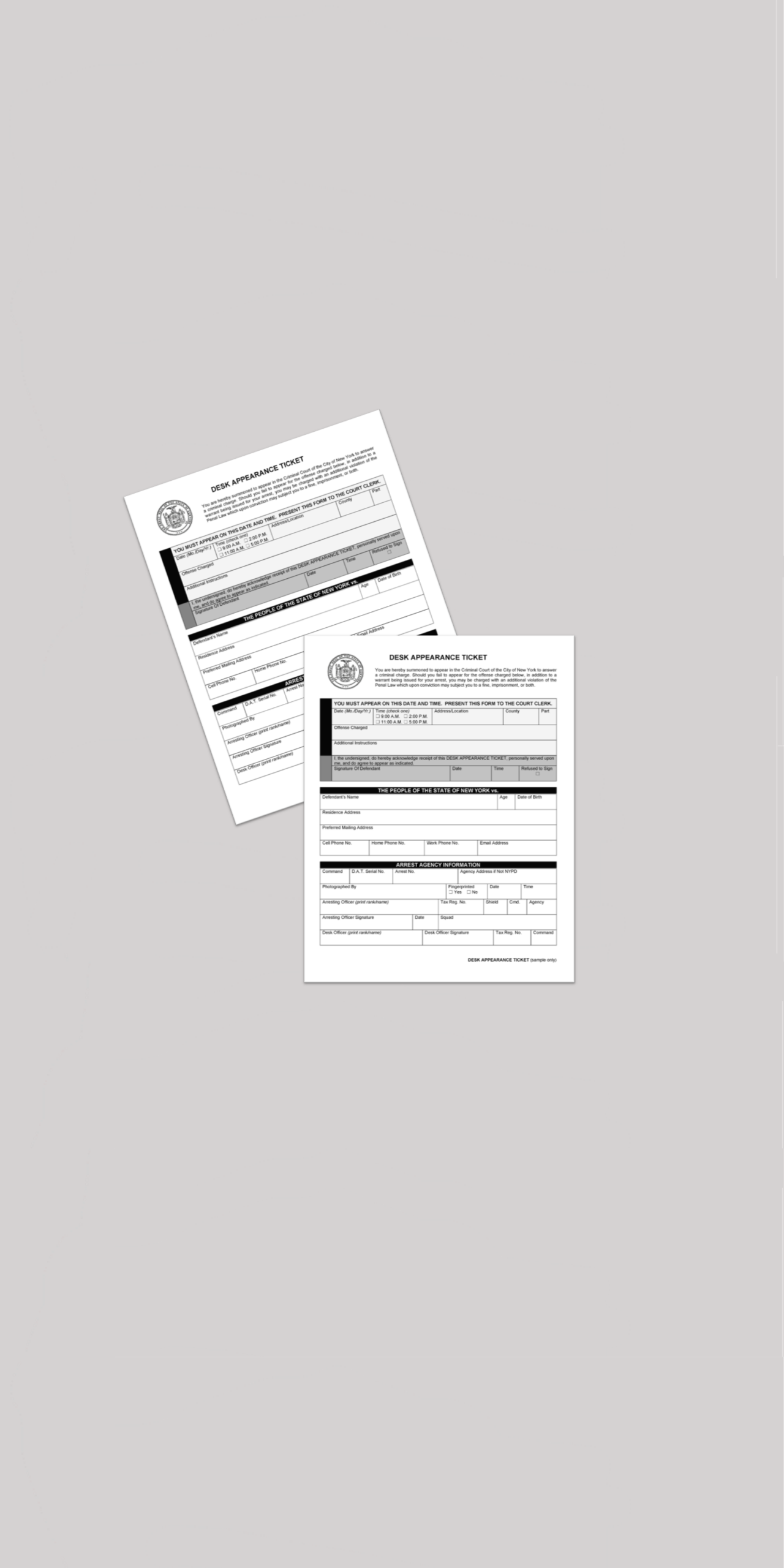
A Desk Appearance Ticket, or DAT, is a written notice from the police. It tells the arrested person to appear on a future date for arraignment. The person does not spend the night in jail.
However, they have been arrested. Their fingerprints and photo go into the police system.
RECEIVING A DAT IN MANHATTAN
When a person gets arrested, the police take them to the local precinct (not Central Booking yet). As the officers decide if they qualify for a DAT.
Unfortunately, even this process can be tedious and long. Reaching an experienced Manhattan lawyer is crucial. Hiring a defense lawyer like Mr. Hardy is advantageous, as he knows the Manhattan system really well. He will advise you on what to say, as it could harm your case.
- Police check for the following:
- Is the charge a low-level offense (usually a misdemeanor or violation)?
- Do they have a valid ID and a local address?
- Do they have a criminal record or outstanding warrants? Is it a case of domestic violence, a sex offense, or a serious case?
- If you qualify, the police can (sometimes must) give a DAT instead of sending the individual to Central Booking:
- At the precinct, the police fingerprint them.
- They take their photo.
- They complete paperwork (arrest reports, etc.).
- An Assistant District Attorney may talk to the arresting officer.
- This whole procedure usually takes 3 to 7 hours (sometimes longer).
ONCE A DAT IS ISSUE THE PERSON IS RELEASED TO GO HOME
- A DAT is a ticket, a white piece of paper which clearly shows:
- The name of the arrested individual and the charges
- The exact court date, time, and location (usually Manhattan Criminal C. at 100 Centre Street or sometimes Midtown Community C.)
- Any special instructions
- Then the police let the arrested individual go home.
TALK TO A DEFENSE ATTORNEY BEFORE ARRAIGNMENT
The date shown in the DAT is the arraignment date. Reach a Manhattan lawyer for advice. You must appear in court on the date listed (usually within 20 days). It is the first official appearance. At arraignment:
- The judge reads the charges.
- The individual (or the lawyer) enters a plea — almost always “not guilty.”
- The judge decides whether to grant bail or release (under bail reform, many non-violent cases are released with conditions).
- The judge sets the next court date.
- The whole hearing is usually short — about 5 minutes.
MORE INFORMATION ON ARRESTS IN MANHATTAN
Other good options for information can be found at:
- Legal Aid NYC’s clear guide: “What to Expect If You’re Arrested.”
- Manhattan DA’s official “overview of the criminal justice process.”
THE REAL VALUE OF A DEFENSE LAWYER WITH YEARS OF PRACTICE IN MANHATTAN
Knowing the system better
An Attorney with Manhattan experience, able to advocate for release, negotiate with prosecutors, and avoid common pitfalls, is essential to protect you.
If you are arrested in Manhattan, you need a strong attorney by your side, ideally before arraignment. Because Mr. Hardy understands Manhattan’s District Attorney’s office and its tendencies, he can often reach a better plea deal or even get charges reduced or dismissed.
Moreover, a skilled defense lawyer like Mr. Hardy helps you avoid common pitfalls. Having the right attorney makes a real difference. If you are arrested in Manhattan, do not face the system alone.